You're about to create your best presentation ever

Free Tennessee Wildlife Powerpoint Template

Create your presentation by reusing a template from our community or transition your PowerPoint deck into a visually compelling Prezi presentation.

Free Coral Reef PowerPoint Template

Transcript: Understanding Coral Reefs: The Rainforests of the Sea Coral reefs represent some of the most vibrant and biologically diverse ecosystems on the planet. Composed of calcium carbonate structures built by coral polyps, these underwater formations are essential for marine life and play a crucial role in ocean health. Their rich biodiversity supports countless species, making them vital to both ecological balance and human activities. Habitat for Marine Life Coral reefs serve as essential habitats for a vast array of marine species, including fish, invertebrates, and algae, supporting biodiversity and complex food webs. Coastline Protection Coral reefs protect coastlines by absorbing wave energy, reducing the impact of storms and preventing erosion, thus safeguarding coastal communities. Importance of Coral Reefs Support for Fishing Industries The fishing industry relies on healthy coral reefs for sustainable fish populations, which are crucial for food security and local economies. Contribution to Tourism Coral reefs attract millions of tourists each year, providing opportunities for recreation, education, and research, which boosts local economies. Biodiversity Hotspots Coral reefs support approximately 25% of all marine species, providing critical habitat and food sources for countless organisms. Economic Significance Conclusion The economic value of coral reefs is estimated to be over $375 billion annually, contributing to fisheries, tourism, and coastal protection. Conservation Importance Effective conservation strategies can help restore damaged reefs and enhance their resilience against climate change, ensuring their survival for future generations. Free Coral Reef PowerPoint Template A visually striking template designed for presentations on coral reefs and marine conservation. Utilizing the Coral Reef Presentation Template This template provides a structured approach to effectively communicate the importance of coral reefs. It features dedicated sections for essential facts, visuals, and timelines, making it easier to convey complex information clearly and engagingly. Timeline of Coral Reef Conservation Efforts Key initiatives and milestones in preserving coral ecosystems. Effects of Pollution and Overfishing Impact of Climate Change In addition to climate change, pollution from land runoff introduces harmful chemicals and sediment into marine environments, smothering corals and disrupting their delicate ecosystems. Overfishing and destructive fishing methods further exacerbate the decline of reef health, leading to imbalances in marine biodiversity. Coral reefs are increasingly endangered due to climate change, which causes rising ocean temperatures and leads to coral bleaching. This phenomenon occurs when stressed corals expel the algae living in their tissues, resulting in a loss of color and critical energy sources. 1990 2010 2020 2000 The establishment of the first marine protected areas to safeguard critical reef habitats. International agreements and partnerships formed to combat overfishing and promote sustainable practices. Restoration projects initiated to rehabilitate damaged coral reefs affected by bleaching events. Emergence of citizen science programs that engage local communities in coral monitoring and conservation efforts.

Medical PowerPoint Template

Transcript: Medical PowerPoint Template Design Elements Color Schemes for Medical Presentations Font Selection for Readability Color schemes significantly affect audience understanding and retention. In medical presentations, using blue and green hues promotes calmness and trust, while contrasting colors can highlight key information and enhance visibility. Choosing the right font is crucial for comprehension. Sans-serif fonts like Arial or Helvetica are recommended as they are easier to read on screens. Always ensure that text is large enough to be legible from a distance. Incorporating Graphics and Images Layout and Structure Incorporating relevant graphics can enhance understanding and retention of complex ideas. Use high-quality images, charts, or diagrams that directly relate to the content to support the narrative without overcrowding the slide. A well-structured layout guides the audience’s eye and improves information flow. Utilize a grid system to maintain alignment and consistency, making sure to reserve space for visual elements. Balance text with images to avoid clutter. A Blank Canvas for Your Data Presentation Tips Best Practices for Delivery Content Organization in Medical Presentations Engaging Your Audience Practicing your presentation can lead to smoother delivery and reduced anxiety. Utilize appropriate body language, voice modulation, and eye contact to foster a connection with the audience, making your message more impactful. Audience engagement is critical for effective communication. Techniques include asking rhetorical questions, using relatable examples, and incorporating multimedia elements to maintain interest and encourage participation. Title Slides and Headings Introduction to Medical Presentations Title slides set the stage for your presentation and should include the topic, your name, and the date. Headings throughout the presentation guide the audience through the narrative and facilitate smooth transitions between topics, ensuring clarity and focus on key messages. Bullet Points vs. Paragraphs Handling Questions and Feedback Bullet points provide concise and digestible pieces of information, making it easier for the audience to follow along. In contrast, paragraphs may be necessary for complex concepts but should be used sparingly to maintain attention and avoid overwhelming the viewer. Practicing and Timing Your Presentation Using Tables and Charts Tables and charts effectively present quantitative data, making complex information more approachable. They facilitate quick understanding of trends and relationships within data, enhancing the audience’s ability to interpret clinical findings or statistical results. Rehearse your presentation multiple times to refine your delivery and timing. Understanding how long each section takes helps ensure that you cover all material without rushing or exceeding your allotted time. Encourage questions to create a dialogue with your audience. Responding thoughtfully to feedback shows respect for their input and enhances clarity for everyone involved, improving overall comprehension. Citing Sources and References Importance of Visual Aids Citing sources is crucial in maintaining credibility and allowing the audience to explore further. Proper referencing not only attributes the original work but also strengthens arguments presented in the medical content, supporting evidence-based practice. Visual aids play a crucial role in medical presentations by simplifying complex information. They help audiences grasp essential concepts quickly, improving retention and engagement through the use of charts, images, and videos. Overview of PowerPoint Features PowerPoint offers various features to enhance medical presentations, including templates specifically designed for medical content, the ability to incorporate multimedia, and options for animations that can illustrate processes or changes over time. Objectives of the Medical Template The medical PowerPoint template serves to streamline the creation of presentations by providing a standardized format. This ensures consistency in design and aids users in organizing their data effectively for clarity and impact.

PowerPoint Portrayal Template

Transcript: PowerPoint Portrayal Template Mastering Delivery Techniques Enhancing Content Engaging Your Audience Presentation Skills Engagement strategies include asking questions, encouraging participation, and incorporating relevant anecdotes. Active engagement fosters curiosity, making the audience feel involved and invested in the presentation's outcomes. Strong presentation skills encompass clarity of speech, body language, and vocal variety. Practicing these skills helps to build confidence and ensures the message is delivered effectively, encouraging audience retention and understanding. Visual Aids: Images and Graphs Handling Questions and Feedback Crafting Effective Visual Presentations Timing and Pacing Use high-quality images and graphs to complement your data and enhance understanding. Visual aids can illustrate complex concepts more clearly and capture the audience's attention, resulting in better retention of information. Effective presentations balance thoroughness with brevity, maintaining audience attention throughout. Mastering timing and pacing enhances comprehension, ensuring that key messages are communicated without rushing or dragging. Anticipating questions showcases knowledge and prepares for an interactive session. Managing feedback graciously encourages dialogue and reflects openness to diverse perspectives, reinforcing rapport with the audience. Importance of White Space Effective Use of Text Incorporating white space enhances visual clarity and reduces clutter, allowing the audience to focus on key elements of the slide. Effective use of white space can lead to a more professional and appealing presentation layout. Limit the amount of text on slides to focus on key points. Utilize bullet points for clarity and avoid long paragraphs, allowing for easier reading and comprehension during the presentation. Storytelling Techniques Utilize storytelling techniques to make the presentation relatable and engaging. Incorporate anecdotes, case studies, or relatable experiences to evoke emotions and foster a connection with the audience. Introduction to PowerPoint Importance of Visual Presentations Visual presentations are crucial as they increase retention rates by up to 65%. Effectively combining visuals with verbal communication caters to diverse learning styles, making it easier for audiences to grasp complex information swiftly. Conclusion and Best Practices Goals of Effective Presentation The primary goals of an effective presentation include clarity, engagement, and persuasion. A well-crafted presentation supports the speaker's message, stirs audience interest, and prompts desired actions or insights, making the content memorable. Overview of PowerPoint Features PowerPoint integrates features such as slide templates, animation, and multimedia support. These tools allow users to create dynamic presentations, engaging their audience visually and auditory, resulting in a more impactful delivery of content. Recap of Key Points Design Principles Effective presentations hinge on design consistency, thoughtful content enhancement, and strong delivery techniques. Recapping objectives, using visual aids, and engaging the audience are foundational elements that ensure information retention and impact. Color Theory and Usage Consistency in Design Color theory is crucial in presentation design as it influences emotions and perceptions. Choosing the right colors can enhance readability, evoke feelings, and strengthen brand identity through consistent color application. Consistency in design creates a cohesive look throughout the presentation. Utilizing the same color palette, fonts, and layout styles helps reinforce branding and ensures the audience remains focused on the message rather than design changes. Common Pitfalls to Avoid Continuous Improvement in Presentations Font Selection and Typography Layout and Composition Font selection impacts readability and audience reception. A clear sans-serif font often works best for slides, while varied font sizes can help emphasize key points and guide viewers through the content logically. Effective layout and composition guide the viewer's eye and improve information retention. Utilizing rule-of-thirds, alignment, and strategic white space enhances clarity, ensuring that essential content stands out without overwhelming the audience. Regular feedback and practice are vital for honing presentation skills. Analyzing past presentations, incorporating audience feedback, and embracing new technologies contribute to ongoing enhancement and confidence. Avoid overcrowding slides with text and neglecting audience engagement methods. Failing to practice, mismanaging time, and using ineffective visuals can derail a presentation, compromising clarity and audience connection. Resources for Further Learning Utilize online courses, workshops, and books focused on presentation skills for deeper knowledge. Websites such as LinkedIn Learning and platforms like TED offer valuable

Tennessee Trees and Wildlife

Transcript: 1. Field Border -Native to TN. -Most small game eat the mast, or fallen trees parts. -Chickadees make nests in these trees. -The lumber is often used in flooring and furniture. -It is commonly used as firewood because of it's dense, slow burning properties. -It is often used to refresh soil around farmlands. -Deer live mostly in forests, swamps, and open brushy areas. -Their food consists of twigs, shrubs, fungi, acorns, grass, and herbs. -Native to TN. -Commonly used in riparian zones and as cover for wildlife in extreme temperatures. -Small game and birds eat the seeds. -The lumber is not used as often because it is soft and spongy. -Not used in landscaping. Giant Swallowtail Eastern Cottontail (Acer saccharum) Eastern Hemlock Viceroy Eastern Redcedar Carolina Chickadee Small Game Trees and Wildlife (Juniperus virginiana) -Lives in forest clearings and edges, thorn scrub, brushy fields, roadsides. -Caterpillars eat hackberry. -Adults eat nectar from flowers of aster, dogbane, dogwood, goldenrod, and sweet pepperbush. -Not of any concern. Monarch (Liriodendron tulipifera) Gray Catbird (Betula nigra) Eastern Gray Squirrel (Carya tomentosa) 2. Filter Strip Sycamore (Platanus occidentalis) -Lives on rocky and sandy hillsides near streams or gullies, pine flats, towns, and citrus groves. -Caterpillars eat prickly ash and Common Rue. -Adults eat nectar from bouncing Bet, dame's rocket, goldenrod, and swamp milkweed. -Considered pests on citrus farms. 7. Controlled Burning (Acer negundo) Blue Jay -The White Ash is native to TN. -These trees are good shelter for wildlife. -Many animals feed off of the seeds of this tree. -The lumber is used in baseball bats and furniture due to its high resistance. -It is an ideal landscaping tree because it requires little maintenance. 10. Grass Planting -Lives along wooded streams, forest glades and river edges, wooded roadsides, towns. -Caterpillar eats sugarberries and hackberries. -Adults eat sap, rotting fruit, dung, and carrion. -There is no need to improve anything. (Pinus strobus) 6. Residue and Tillage Management (Ulmus americana) -Found in open woodlands, old orchards, riparian zones, wooded swamps, parks, cemeteries, and urban areas. -Eats insects and some small fruits. -Also thrives in today's environment. Management and distribution of crop and plant residue to provide cover and increase food availability. -Lives in fields, forest edges, and openings in forested mountains and valleys. -Caterpillars eat violets. -Adults eat dung and flower nectar from plants like milkweeds, ironweed, red clover, and butterflybush. -Lives in woodlands, swamps, riparian areas, open woods, parks, suburban and urban areas. -Eats insects, spiders, seeds, and fruits. -Additional birdhouses would conserve these bird's habitat by creating new ones. -Native to TN. -There is little food for animals, but this tree is home to many different species. -Birds live in the canopy, small game live in hollowed out parts of the tree, and large game bed under it's large branches. -The lumber is valued because of its hardness and is mainly used in furniture. -The wood duck can be found in wooded swamps, marshes, streams, beaver ponds, and small lakes. -Nest cavities can have openings as small as 4" across which makes it harder for the predators to enter -Wood ducks mainly eat seeds, fruits, insects, and other arthropods. When these foods aren't available they take to land and eat any kind of acorn or nuts they can find. -Lives most of its life in trees of the willow family. -Eats aphid honeydew, carrion, dung, and decaying fungi as caterpillars. -Full grown eat aster, goldenrod, joe-pye weed, shepherd's needle, and Canada thistle. -Repairing riparian zones will benefit them. -Native to TN. -Many birds and small mammals eat the berrylike cones of eastern redcedar. -Can be planted on polluted areas like surface mines, agricultural fields, and logging sites to renew the land. -Very aromatic which repels some insects. -Lumber used as fence posts, boats, closets, and chests due to it's resistance to termites. -Lives in heavily forested areas with thick scrub brush,wooded swamps, farmland, and rocky terrain. -Eats mostly small mammals, like rabbits, mice, rats, squirrels, and shrews, but also may eat deer, turkey, snakes, cats, and grass. -Regrowing thick forests and leaving hollow logs for mother bobcats will conserve their habitat. Ash -Found in forests edges,urban, and suburban areas, where large oaks are present. -Eats arthropods, acorns and nuts, fruits, seeds, small bugs. -Having more bird feeders could benefit this species. By: Grady Burnham and Caleb Reid -Native to TN. -Bark, seeds, foliage, and roots are eaten by wildlife. -Many types of birds, small game, and even black bear cubs live in these trees. -The lumber is commonly used in finish carpentry. -Used in landscaping as windbreaks and privacy barriers. http://www.fs.fed.us/database/feis/plants/tree/ White-tailed Deer White Admiral Planting or

powerpoint template

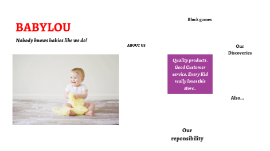
Transcript: Nobody knows babies like we do! Quality products . Good Customer service. Every Kid really loves this store.. BABYLOU ABOUT US About Us BabyLou was established in 2004. It has been more than a decade since we started, where we have ensured to take care of every need and want of every child and infant under one roof, true to the caption “NO BODY KNOWS BABIES LIKE WE DO”. Our benchmark is to provide 100% customer service and satisfaction and continue to deliver the same with a wide range of toys, garments and Baby Products. Play and Create We Are Best 01 02 03 Block games Building Blocks help Kids to use their brain. PLAY TO LEARN in Crusing Adventures Our Discoveries Enjoy a sunny vacation aboard a luxury yacht with the LEGO® Creator 3in1 31083 Cruising Adventures set. This ship has all the comforts you need, including a well-equipped cabin and a toilet. Sail away to a sunny bay and take the cool water scooter to the beach. Build a sandcastle, enjoy a picnic, go surfing or check out the cute sea creatures before you head back to the yacht for a spot of fishing. Escape into the mountains Disney Little Princes in Also available for your Babies..... Also... Out of The World… Our reponsibility BABYLOU…. Our Responsibility All children have the right to fun, creative and engaging play experiences. Play is essential because when children play, they learn. As a provider of play experiences, we must ensure that our behaviour and actions are responsible towards all children and towards our stakeholders, society and the environment. We are committed to continue earning the trust our stakeholders place in us, and we are always inspired by children to be the best we can be. Innovate for children We aim to inspire children through our unique playful learning experiences and to play an active role in making a global difference on product safety while being dedicated promoters of responsibility towards children.

Now you can make any subject more engaging and memorable