You're about to create your best presentation ever

Circular Roadmap Powerpoint Template

Create your presentation by reusing a template from our community or transition your PowerPoint deck into a visually compelling Prezi presentation.

Medical PowerPoint Template

Transcript: Medical PowerPoint Template Design Elements Color Schemes for Medical Presentations Font Selection for Readability Color schemes significantly affect audience understanding and retention. In medical presentations, using blue and green hues promotes calmness and trust, while contrasting colors can highlight key information and enhance visibility. Choosing the right font is crucial for comprehension. Sans-serif fonts like Arial or Helvetica are recommended as they are easier to read on screens. Always ensure that text is large enough to be legible from a distance. Incorporating Graphics and Images Layout and Structure Incorporating relevant graphics can enhance understanding and retention of complex ideas. Use high-quality images, charts, or diagrams that directly relate to the content to support the narrative without overcrowding the slide. A well-structured layout guides the audience’s eye and improves information flow. Utilize a grid system to maintain alignment and consistency, making sure to reserve space for visual elements. Balance text with images to avoid clutter. A Blank Canvas for Your Data Presentation Tips Best Practices for Delivery Content Organization in Medical Presentations Engaging Your Audience Practicing your presentation can lead to smoother delivery and reduced anxiety. Utilize appropriate body language, voice modulation, and eye contact to foster a connection with the audience, making your message more impactful. Audience engagement is critical for effective communication. Techniques include asking rhetorical questions, using relatable examples, and incorporating multimedia elements to maintain interest and encourage participation. Title Slides and Headings Introduction to Medical Presentations Title slides set the stage for your presentation and should include the topic, your name, and the date. Headings throughout the presentation guide the audience through the narrative and facilitate smooth transitions between topics, ensuring clarity and focus on key messages. Bullet Points vs. Paragraphs Handling Questions and Feedback Bullet points provide concise and digestible pieces of information, making it easier for the audience to follow along. In contrast, paragraphs may be necessary for complex concepts but should be used sparingly to maintain attention and avoid overwhelming the viewer. Practicing and Timing Your Presentation Using Tables and Charts Tables and charts effectively present quantitative data, making complex information more approachable. They facilitate quick understanding of trends and relationships within data, enhancing the audience’s ability to interpret clinical findings or statistical results. Rehearse your presentation multiple times to refine your delivery and timing. Understanding how long each section takes helps ensure that you cover all material without rushing or exceeding your allotted time. Encourage questions to create a dialogue with your audience. Responding thoughtfully to feedback shows respect for their input and enhances clarity for everyone involved, improving overall comprehension. Citing Sources and References Importance of Visual Aids Citing sources is crucial in maintaining credibility and allowing the audience to explore further. Proper referencing not only attributes the original work but also strengthens arguments presented in the medical content, supporting evidence-based practice. Visual aids play a crucial role in medical presentations by simplifying complex information. They help audiences grasp essential concepts quickly, improving retention and engagement through the use of charts, images, and videos. Overview of PowerPoint Features PowerPoint offers various features to enhance medical presentations, including templates specifically designed for medical content, the ability to incorporate multimedia, and options for animations that can illustrate processes or changes over time. Objectives of the Medical Template The medical PowerPoint template serves to streamline the creation of presentations by providing a standardized format. This ensures consistency in design and aids users in organizing their data effectively for clarity and impact.

PowerPoint Template Design

Transcript: Conclusion and Next Steps Summarizing the presentation and outlining future actions for effective PowerPoint utilization. PowerPoint Template Design Key Points Summary Summarize the essential elements discussed in the presentation, emphasizing the importance of the selected template and animations. Utilizing the PowerPoint Outline clear next steps for the audience to implement the PowerPoint effectively in their context. Creating Engaging Presentations with Dynamic Animations Animated Slides Static Slides Animated slides introduce movement and transitions, capturing audience attention and enhancing engagement. They can highlight key points effectively but may also risk overwhelming viewers if not used judiciously. Static slides provide a straightforward presentation of information, allowing for easy comprehension without distractions. They are ideal for simple data, ensuring that the audience can focus entirely on the message being conveyed. Template Requirements Cohesive Look Brand Alignment Audience Engagement Templates provide a cohesive look, making it easier for the audience to follow the content and key messages. A well-designed template aligns with the branding and theme of the presentation, ensuring consistency throughout. Utilizing a specific template helps to facilitate audience engagement by providing a visually appealing structure. Clearly Defined Key Elements Incorporation of Visual Aids Well-Organized Structure Key elements such as objectives, main topics, and conclusions are clearly outlined, providing a roadmap for the audience. The PowerPoint is meticulously organized to ensure a coherent flow of information, making it easy for the audience to follow along. Visual aids and animations will be incorporated to enhance engagement and understanding, making the presentation more dynamic. Overview of the PowerPoint Setting the Stage for Our Discussion This presentation outlines key aspects of the upcoming content, providing a framework for understanding the topic and its relevance.

Medical PowerPoint Template

Transcript: Medical PowerPoint Template Design Principles Color Schemes and Branding Visual Hierarchy Visual hierarchy is crucial in guiding the audience's attention through a presentation. Utilize size, color, and placement to prioritize content, ensuring key messages are easily identifiable and understood. Consistent color schemes reinforce branding and improve audience recall. Use colors that align with medical themes—calm blues and greens can evoke trust and professionalism, while contrasting colors can highlight crucial information. Use of Images and Graphics Text Layout and Readability High-quality images and graphics enhance engagement and understanding. Infographics can simplify complex data, while images of medical procedures or devices add relevance and clarity, strengthening the narrative. Effective text layout involves concise wording and appropriate font sizes to ensure legibility. Aim for a balance between text quantity and whitespace, facilitating easier reading and comprehension for the audience. Mastering Presentation Delivery A Comprehensive Guide for Healthcare Presentations Engaging Your Audience Content Development in Medical Presentations Public Speaking Tips Engagement can be achieved through interactive elements like polls or questions. Personal anecdotes related to medical scenarios can make the presentation more relatable and memorable. To improve public speaking skills, practice regularly and seek constructive feedback. Familiarity with material and the use of visual aids can significantly bolster confidence and audience engagement. Structuring Your Presentation Introduction to Medical Presentations A well-structured presentation follows a clear path to facilitate understanding. Start with an introduction, followed by the main content organized into sections, leading to a strong conclusion that summarizes key points. Integrating Data and Statistics Feedback and Improvement Techniques Incorporate relevant data and statistics to support your claims and enhance credibility. Use visuals like charts and graphs to illustrate key points, making complex information more digestible. Handling Technical Issues Storytelling in Medicine Utilizing storytelling can make medical presentations more relatable and memorable. Share real-life patient stories to humanize statistics and engage your audience emotionally. Soliciting audience feedback post-presentation aids in identifying areas for improvement. Regularly reviewing recordings of your presentations can help refine delivery style and content structure. Technical difficulties can arise unexpectedly; always have a backup plan, such as printed slides or alternative equipment. Familiarize yourself with the technology in advance to minimize disruptions. Preparing for Q&A Sessions Anticipating questions and preparing succinct answers is essential for a successful Q&A session. Familiarize yourself with potential inquiries and be ready to provide clarifications and additional insights as needed. Importance of Effective Communication Effective communication in medical presentations ensures that crucial information is conveyed accurately. This reduces misunderstandings and promotes better patient care, educational outcomes, and collaboration among healthcare professionals. Key Elements of Medical Presentations Understanding the Audience Key elements include a well-structured format, clear visuals, and concise language. Presentations should aim for a logical flow while emphasizing important data to facilitate understanding and retention. Recognizing the audience's background and knowledge level is vital for tailoring the presentation. Adjusting content complexity and focusing on relevant topics can lead to more effective engagement and learning. Common Presentation Platforms Common platforms for medical presentations include PowerPoint, Google Slides, and Prezi. These tools offer features for animation, data visualization, and collaboration, enhancing the overall effectiveness of presentations.

PowerPoint Portrayal Template

Transcript: PowerPoint Portrayal Template Mastering Delivery Techniques Enhancing Content Engaging Your Audience Presentation Skills Engagement strategies include asking questions, encouraging participation, and incorporating relevant anecdotes. Active engagement fosters curiosity, making the audience feel involved and invested in the presentation's outcomes. Strong presentation skills encompass clarity of speech, body language, and vocal variety. Practicing these skills helps to build confidence and ensures the message is delivered effectively, encouraging audience retention and understanding. Visual Aids: Images and Graphs Handling Questions and Feedback Crafting Effective Visual Presentations Timing and Pacing Use high-quality images and graphs to complement your data and enhance understanding. Visual aids can illustrate complex concepts more clearly and capture the audience's attention, resulting in better retention of information. Effective presentations balance thoroughness with brevity, maintaining audience attention throughout. Mastering timing and pacing enhances comprehension, ensuring that key messages are communicated without rushing or dragging. Anticipating questions showcases knowledge and prepares for an interactive session. Managing feedback graciously encourages dialogue and reflects openness to diverse perspectives, reinforcing rapport with the audience. Importance of White Space Effective Use of Text Incorporating white space enhances visual clarity and reduces clutter, allowing the audience to focus on key elements of the slide. Effective use of white space can lead to a more professional and appealing presentation layout. Limit the amount of text on slides to focus on key points. Utilize bullet points for clarity and avoid long paragraphs, allowing for easier reading and comprehension during the presentation. Storytelling Techniques Utilize storytelling techniques to make the presentation relatable and engaging. Incorporate anecdotes, case studies, or relatable experiences to evoke emotions and foster a connection with the audience. Introduction to PowerPoint Importance of Visual Presentations Visual presentations are crucial as they increase retention rates by up to 65%. Effectively combining visuals with verbal communication caters to diverse learning styles, making it easier for audiences to grasp complex information swiftly. Conclusion and Best Practices Goals of Effective Presentation The primary goals of an effective presentation include clarity, engagement, and persuasion. A well-crafted presentation supports the speaker's message, stirs audience interest, and prompts desired actions or insights, making the content memorable. Overview of PowerPoint Features PowerPoint integrates features such as slide templates, animation, and multimedia support. These tools allow users to create dynamic presentations, engaging their audience visually and auditory, resulting in a more impactful delivery of content. Recap of Key Points Design Principles Effective presentations hinge on design consistency, thoughtful content enhancement, and strong delivery techniques. Recapping objectives, using visual aids, and engaging the audience are foundational elements that ensure information retention and impact. Color Theory and Usage Consistency in Design Color theory is crucial in presentation design as it influences emotions and perceptions. Choosing the right colors can enhance readability, evoke feelings, and strengthen brand identity through consistent color application. Consistency in design creates a cohesive look throughout the presentation. Utilizing the same color palette, fonts, and layout styles helps reinforce branding and ensures the audience remains focused on the message rather than design changes. Common Pitfalls to Avoid Continuous Improvement in Presentations Font Selection and Typography Layout and Composition Font selection impacts readability and audience reception. A clear sans-serif font often works best for slides, while varied font sizes can help emphasize key points and guide viewers through the content logically. Effective layout and composition guide the viewer's eye and improve information retention. Utilizing rule-of-thirds, alignment, and strategic white space enhances clarity, ensuring that essential content stands out without overwhelming the audience. Regular feedback and practice are vital for honing presentation skills. Analyzing past presentations, incorporating audience feedback, and embracing new technologies contribute to ongoing enhancement and confidence. Avoid overcrowding slides with text and neglecting audience engagement methods. Failing to practice, mismanaging time, and using ineffective visuals can derail a presentation, compromising clarity and audience connection. Resources for Further Learning Utilize online courses, workshops, and books focused on presentation skills for deeper knowledge. Websites such as LinkedIn Learning and platforms like TED offer valuable

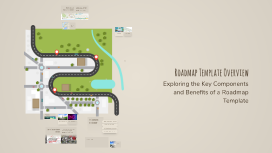
Roadmap Template Overview

Transcript: Understanding the Significance of Roadmaps A roadmap is a strategic plan that clearly outlines the vision, direction, and progress of a project or initiative. It serves as an essential guiding document to communicate goals and milestones to stakeholders, ensuring alignment and transparency throughout the project's lifecycle. Aligns Teams Roadmaps facilitate alignment among team members by clearly communicating the project's objectives and priorities, ensuring everyone understands their roles in achieving common goals. Sets Priorities With defined priorities, roadmaps help teams focus on what is most important at any given time, allowing for efficient resource allocation and effort concentration. Key Benefits of Roadmaps Tracks Progress By providing a visual representation of the project's timeline and milestones, roadmaps enable teams to track progress effectively and make necessary adjustments as conditions change. Encourages Flexibility Roadmaps encourage adaptability by allowing teams to update their plans in response to new information, challenges, or shifts in market dynamics, keeping projects relevant and on track. Technology Roadmap Product Roadmap Technology roadmaps outline the technological advancements and infrastructure necessary to support an organization's strategic initiatives. These roadmaps are essential for IT teams and decision-makers to plan tech investments and capabilities. Product roadmaps focus on the planned features, enhancements, and timelines for a product. They are aimed at internal teams and external stakeholders, ensuring alignment on product development goals and customer needs. Roadmap Template Overview Exploring the Key Components and Benefits of a Roadmap Template The Significance of Roadmaps in Strategic Planning Roadmaps serve as vital tools that facilitate strategic planning and execution by offering a clear direction and framework. They enable teams to align their efforts towards shared goals, enhancing collaboration and adaptability in changing environments. Following this conclusion, we will open the floor for any questions you may have to clarify or expand on today's topics. Company B: Technology Roadmap Impact Company A: Product Roadmap Success Defined project goals and objectives Company B utilized a technology roadmap that highlighted the integration of emerging technologies into their existing systems. By setting clear timelines and deliverables, they successfully launched a new platform that increased operational efficiency by 40% over the course of a year. Company A's product roadmap focused on customer feedback and iterative development, leading to a 30% increase in user satisfaction within six months. This roadmap included specific milestones that aligned with customer needs, ensuring timely delivery of new features. Key Components of a Roadmap Clear timelines for execution Well-defined milestones for tracking Essential Tools for Roadmap Creation Utilizing the right tools is crucial for effective roadmap creation. Software applications and customizable templates enhance collaboration, streamline processes, and provide visual clarity. These tools help teams efficiently communicate their strategies and track progress. Specific deliverables expected Steps to Create a Roadmap A structured approach to developing effective roadmaps that guide projects towards success. Engage Stakeholders Early Involving stakeholders early in the process ensures that their insights and feedback are incorporated, leading to a more aligned and effective roadmap. Define Objectives Gather Input Prioritize Initiatives Visualize the Roadmap Maintain Flexibility Best Practices for Roadmap Development A flexible roadmap allows teams to adapt to unforeseen changes and pivot strategies when necessary, ensuring relevance and effectiveness over time. Clearly articulate the goals of the project to ensure alignment among stakeholders and team members. Collect insights and feedback from stakeholders to incorporate diverse perspectives into the roadmap. Evaluate and rank initiatives based on impact and feasibility to focus efforts on the most critical areas. Create a visual representation of the roadmap that outlines the timeline, milestones, and deliverables for stakeholders to understand easily. Update Regularly Regular updates to the roadmap are essential for reflecting current objectives and market trends, enabling teams to stay on track toward their goals.

Now you can make any subject more engaging and memorable