You're about to create your best presentation ever

Make Custom Powerpoint Template

Create your presentation by reusing a template from our community or transition your PowerPoint deck into a visually compelling Prezi presentation.

Medical PowerPoint Template

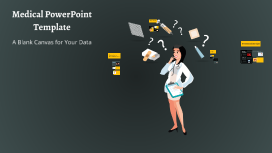
Transcript: Medical PowerPoint Template Design Elements Color Schemes for Medical Presentations Font Selection for Readability Color schemes significantly affect audience understanding and retention. In medical presentations, using blue and green hues promotes calmness and trust, while contrasting colors can highlight key information and enhance visibility. Choosing the right font is crucial for comprehension. Sans-serif fonts like Arial or Helvetica are recommended as they are easier to read on screens. Always ensure that text is large enough to be legible from a distance. Incorporating Graphics and Images Layout and Structure Incorporating relevant graphics can enhance understanding and retention of complex ideas. Use high-quality images, charts, or diagrams that directly relate to the content to support the narrative without overcrowding the slide. A well-structured layout guides the audience’s eye and improves information flow. Utilize a grid system to maintain alignment and consistency, making sure to reserve space for visual elements. Balance text with images to avoid clutter. A Blank Canvas for Your Data Presentation Tips Best Practices for Delivery Content Organization in Medical Presentations Engaging Your Audience Practicing your presentation can lead to smoother delivery and reduced anxiety. Utilize appropriate body language, voice modulation, and eye contact to foster a connection with the audience, making your message more impactful. Audience engagement is critical for effective communication. Techniques include asking rhetorical questions, using relatable examples, and incorporating multimedia elements to maintain interest and encourage participation. Title Slides and Headings Introduction to Medical Presentations Title slides set the stage for your presentation and should include the topic, your name, and the date. Headings throughout the presentation guide the audience through the narrative and facilitate smooth transitions between topics, ensuring clarity and focus on key messages. Bullet Points vs. Paragraphs Handling Questions and Feedback Bullet points provide concise and digestible pieces of information, making it easier for the audience to follow along. In contrast, paragraphs may be necessary for complex concepts but should be used sparingly to maintain attention and avoid overwhelming the viewer. Practicing and Timing Your Presentation Using Tables and Charts Tables and charts effectively present quantitative data, making complex information more approachable. They facilitate quick understanding of trends and relationships within data, enhancing the audience’s ability to interpret clinical findings or statistical results. Rehearse your presentation multiple times to refine your delivery and timing. Understanding how long each section takes helps ensure that you cover all material without rushing or exceeding your allotted time. Encourage questions to create a dialogue with your audience. Responding thoughtfully to feedback shows respect for their input and enhances clarity for everyone involved, improving overall comprehension. Citing Sources and References Importance of Visual Aids Citing sources is crucial in maintaining credibility and allowing the audience to explore further. Proper referencing not only attributes the original work but also strengthens arguments presented in the medical content, supporting evidence-based practice. Visual aids play a crucial role in medical presentations by simplifying complex information. They help audiences grasp essential concepts quickly, improving retention and engagement through the use of charts, images, and videos. Overview of PowerPoint Features PowerPoint offers various features to enhance medical presentations, including templates specifically designed for medical content, the ability to incorporate multimedia, and options for animations that can illustrate processes or changes over time. Objectives of the Medical Template The medical PowerPoint template serves to streamline the creation of presentations by providing a standardized format. This ensures consistency in design and aids users in organizing their data effectively for clarity and impact.

Medical PowerPoint Template

Transcript: Medical PowerPoint Template Design Principles Color Schemes and Branding Visual Hierarchy Visual hierarchy is crucial in guiding the audience's attention through a presentation. Utilize size, color, and placement to prioritize content, ensuring key messages are easily identifiable and understood. Consistent color schemes reinforce branding and improve audience recall. Use colors that align with medical themes—calm blues and greens can evoke trust and professionalism, while contrasting colors can highlight crucial information. Use of Images and Graphics Text Layout and Readability High-quality images and graphics enhance engagement and understanding. Infographics can simplify complex data, while images of medical procedures or devices add relevance and clarity, strengthening the narrative. Effective text layout involves concise wording and appropriate font sizes to ensure legibility. Aim for a balance between text quantity and whitespace, facilitating easier reading and comprehension for the audience. Mastering Presentation Delivery A Comprehensive Guide for Healthcare Presentations Engaging Your Audience Content Development in Medical Presentations Public Speaking Tips Engagement can be achieved through interactive elements like polls or questions. Personal anecdotes related to medical scenarios can make the presentation more relatable and memorable. To improve public speaking skills, practice regularly and seek constructive feedback. Familiarity with material and the use of visual aids can significantly bolster confidence and audience engagement. Structuring Your Presentation Introduction to Medical Presentations A well-structured presentation follows a clear path to facilitate understanding. Start with an introduction, followed by the main content organized into sections, leading to a strong conclusion that summarizes key points. Integrating Data and Statistics Feedback and Improvement Techniques Incorporate relevant data and statistics to support your claims and enhance credibility. Use visuals like charts and graphs to illustrate key points, making complex information more digestible. Handling Technical Issues Storytelling in Medicine Utilizing storytelling can make medical presentations more relatable and memorable. Share real-life patient stories to humanize statistics and engage your audience emotionally. Soliciting audience feedback post-presentation aids in identifying areas for improvement. Regularly reviewing recordings of your presentations can help refine delivery style and content structure. Technical difficulties can arise unexpectedly; always have a backup plan, such as printed slides or alternative equipment. Familiarize yourself with the technology in advance to minimize disruptions. Preparing for Q&A Sessions Anticipating questions and preparing succinct answers is essential for a successful Q&A session. Familiarize yourself with potential inquiries and be ready to provide clarifications and additional insights as needed. Importance of Effective Communication Effective communication in medical presentations ensures that crucial information is conveyed accurately. This reduces misunderstandings and promotes better patient care, educational outcomes, and collaboration among healthcare professionals. Key Elements of Medical Presentations Understanding the Audience Key elements include a well-structured format, clear visuals, and concise language. Presentations should aim for a logical flow while emphasizing important data to facilitate understanding and retention. Recognizing the audience's background and knowledge level is vital for tailoring the presentation. Adjusting content complexity and focusing on relevant topics can lead to more effective engagement and learning. Common Presentation Platforms Common platforms for medical presentations include PowerPoint, Google Slides, and Prezi. These tools offer features for animation, data visualization, and collaboration, enhancing the overall effectiveness of presentations.

Custom Presentation Template

Transcript: Conclusion Call to Action A strong closing reinforces the importance of the topics discussed and outlines future opportunities. Engagement is crucial for success; stakeholders are encouraged to implement the strategies outlined. Continuous feedback and adaptation will ensure that initiatives remain relevant and impactful in addressing the outlined challenges. Future Directions Summary of Key Points Future efforts should focus on refining strategies and leveraging data to enhance outcomes. Collaborative approaches and continued research will be essential in navigating challenges and fostering growth in this domain. The presentation highlighted the core concepts, methodologies, and findings that are critical to understanding the subject. It underscored the significance of actionable strategies in addressing the identified challenges, providing a robust framework for future initiatives. Expected Outcomes Successful implementation of proposed strategies can lead to increased efficiency, reduced costs, and enhanced employee engagement. Anticipated benefits must be measurable and aligned with strategic objectives to validate success. Effective Solutions for Implementation Implementation Steps Implementing effective strategies requires a systematic approach to enhance outcomes and address challenges in practical ways. A structured implementation plan should include stakeholder engagement, resource allocation, and clear timelines. Regular progress monitoring and feedback loops are essential to ensure adaptability and success. Proposed Strategies Implementing targeted interventions can streamline processes and improve efficiency. Focus on data-driven decision-making that aligns with organizational goals to enhance productivity and workplace satisfaction. Facing Challenges in Implementation Follow up Addressing challenges is essential for the successful execution of any project, as they can hinder progress and outcomes. Developing detailed mitigation plans not only addresses identified risks but also creates a pathway for corrective actions. Strategies may include establishing contingency funds or providing additional training to team members to enhance skills. Potential Obstacles Identifying obstacles upfront lays the groundwork for effective planning. Common challenges include inadequate resources, lack of stakeholder engagement, and unexpected regulatory changes that can delay timelines or escalate costs. Findings Risk Assessment Conducting a comprehensive risk assessment enables teams to prioritize potential risks based on their impact and likelihood. Tools like SWOT analysis and risk matrices provide clarity on how to manage specific threats systematically. Implications of Findings The findings reveal significant insights that strengthen the understanding of the topic and its impacts across various dimensions. The findings indicate critical implications for organizational strategy, suggesting that prioritized training initiatives can lead to a competitive advantage. Such initiatives can ultimately reduce turnover rates and enhance overall workplace morale. Follow up Key Results The analysis uncovers robust correlations between variables, highlighting a 20% increase in productivity linked to the new methodology. Furthermore, participant feedback indicates a 95% satisfaction rate with the implemented changes, underscoring the effectiveness of the approach. Interpreting the data suggests a strong relationship between enhanced training programs and employee performance metrics. This reinforces the hypothesis that investing in training yields higher productivity and job satisfaction. Definition The main concept is defined as the overarching idea or principle that guides the subject matter. It serves as a foundation for further exploration and understanding of the related themes. Importance Key Features Recognizing the importance of the main concept enables stakeholders to align their strategies and objectives. It emphasizes the value of focusing on foundational principles for successful outcomes. The main concept encompasses several key features such as relevance, applicability, and scalability. These characteristics ensure that the concept remains useful and adaptable across various contexts and situations. Main Concept Understanding the core principles of the topic provides clarity and direction for informed decisions. Research Approach Data Collection A mixed-methods approach was adopted, combining quantitative data from surveys and qualitative insights from interviews. This dual strategy enhances the depth of understanding of the research problem. Data collection involved anonymous online surveys sent to participants and in-depth interviews with select individuals. Leveraging diverse sources promotes a comprehensive representation of perspectives. Custom Presentation Template Analysis Techniques Statistical analysis was performed using software tools to identify patterns and correlations in the quantitative data.

PowerPoint Portrayal Template

Transcript: PowerPoint Portrayal Template Mastering Delivery Techniques Enhancing Content Engaging Your Audience Presentation Skills Engagement strategies include asking questions, encouraging participation, and incorporating relevant anecdotes. Active engagement fosters curiosity, making the audience feel involved and invested in the presentation's outcomes. Strong presentation skills encompass clarity of speech, body language, and vocal variety. Practicing these skills helps to build confidence and ensures the message is delivered effectively, encouraging audience retention and understanding. Visual Aids: Images and Graphs Handling Questions and Feedback Crafting Effective Visual Presentations Timing and Pacing Use high-quality images and graphs to complement your data and enhance understanding. Visual aids can illustrate complex concepts more clearly and capture the audience's attention, resulting in better retention of information. Effective presentations balance thoroughness with brevity, maintaining audience attention throughout. Mastering timing and pacing enhances comprehension, ensuring that key messages are communicated without rushing or dragging. Anticipating questions showcases knowledge and prepares for an interactive session. Managing feedback graciously encourages dialogue and reflects openness to diverse perspectives, reinforcing rapport with the audience. Importance of White Space Effective Use of Text Incorporating white space enhances visual clarity and reduces clutter, allowing the audience to focus on key elements of the slide. Effective use of white space can lead to a more professional and appealing presentation layout. Limit the amount of text on slides to focus on key points. Utilize bullet points for clarity and avoid long paragraphs, allowing for easier reading and comprehension during the presentation. Storytelling Techniques Utilize storytelling techniques to make the presentation relatable and engaging. Incorporate anecdotes, case studies, or relatable experiences to evoke emotions and foster a connection with the audience. Introduction to PowerPoint Importance of Visual Presentations Visual presentations are crucial as they increase retention rates by up to 65%. Effectively combining visuals with verbal communication caters to diverse learning styles, making it easier for audiences to grasp complex information swiftly. Conclusion and Best Practices Goals of Effective Presentation The primary goals of an effective presentation include clarity, engagement, and persuasion. A well-crafted presentation supports the speaker's message, stirs audience interest, and prompts desired actions or insights, making the content memorable. Overview of PowerPoint Features PowerPoint integrates features such as slide templates, animation, and multimedia support. These tools allow users to create dynamic presentations, engaging their audience visually and auditory, resulting in a more impactful delivery of content. Recap of Key Points Design Principles Effective presentations hinge on design consistency, thoughtful content enhancement, and strong delivery techniques. Recapping objectives, using visual aids, and engaging the audience are foundational elements that ensure information retention and impact. Color Theory and Usage Consistency in Design Color theory is crucial in presentation design as it influences emotions and perceptions. Choosing the right colors can enhance readability, evoke feelings, and strengthen brand identity through consistent color application. Consistency in design creates a cohesive look throughout the presentation. Utilizing the same color palette, fonts, and layout styles helps reinforce branding and ensures the audience remains focused on the message rather than design changes. Common Pitfalls to Avoid Continuous Improvement in Presentations Font Selection and Typography Layout and Composition Font selection impacts readability and audience reception. A clear sans-serif font often works best for slides, while varied font sizes can help emphasize key points and guide viewers through the content logically. Effective layout and composition guide the viewer's eye and improve information retention. Utilizing rule-of-thirds, alignment, and strategic white space enhances clarity, ensuring that essential content stands out without overwhelming the audience. Regular feedback and practice are vital for honing presentation skills. Analyzing past presentations, incorporating audience feedback, and embracing new technologies contribute to ongoing enhancement and confidence. Avoid overcrowding slides with text and neglecting audience engagement methods. Failing to practice, mismanaging time, and using ineffective visuals can derail a presentation, compromising clarity and audience connection. Resources for Further Learning Utilize online courses, workshops, and books focused on presentation skills for deeper knowledge. Websites such as LinkedIn Learning and platforms like TED offer valuable

Creating a Custom PowerPoint Template

Transcript: Creating a Custom PowerPoint Template Designing a Template Based on Your Logo's Colors Layout Options For effective communication, utilize varied layout options such as Title Slide, Content Slide, and Section Headers. Each layout should serve a distinct purpose—Title Slides grab attention, while Content Slides present detailed information clearly. Ensure consistency in design across all layouts for coherent branding. Importance of Customized Templates Choosing Slide Dimensions Customized templates are essential for brand recognition as they ensure consistency across presentations. Utilizing a cohesive design fosters professionalism and helps engage the audience, making information retention easier during presentations. Standard PowerPoint slide dimensions are 16:9 (widescreen) or 4:3 (standard). Select the appropriate size based on your presentation environment; widescreen is often preferred for modern displays. Consider audience visibility, whether presenting in-person or virtually, to maximize impact. Overview of Branding in Presentations Designing the Template Layout Branding in presentations involves integrating logos, colors, and fonts to establish a unified image. Effective branding not only enhances aesthetic appeal but also strengthens the message, encouraging audience connection with the material presented. Creating an effective PowerPoint template layout involves strategic decisions about slide dimensions and layout options that best showcase your content and align with your branding. This section highlights essential factors for a functional and visually appealing design. Introduction to PowerPoint Templates Customized PowerPoint templates elevate presentations by reflecting brand identity and maintaining consistency. This section highlights their importance and the role of branding in enhancing visual communication. Testing the Template Functionality Color Psychology in Branding After exporting, it is vital to test the template in various presentation scenarios. Check for consistent style, layout integrity, and adaptability by applying the template to different content types to ensure overall functionality. Colors evoke emotions and associations that affect brand perception. For instance, blue conveys trust and dependability, while red signifies energy and passion. Understanding these associations helps in crafting logos that resonate deeply with target audiences, enhancing brand recall. Analyzing Color Schemes Effective logos utilize color schemes that align with brand identity. Analyze complementary, analogous, and monochromatic color schemes to find the right balance. Tools like Adobe Color can help in selecting and visualizing schemes that resonate with your audience. Optimal Logo Placement Incorporating Your Logo Understanding Your Logo's Colors Finalizing and Saving the Template Position your logo consistently across slides for a unified look. Common placements include the top left corner or the bottom right. Ensure it remains visible without overshadowing the slide content, maintaining a professional balance. Effectively integrating your logo into a PowerPoint template enhances brand recognition and establishes a cohesive visual identity. Attention to placement and sizing ensures that your logo complements the overall design, rather than detracting from it. Sizing and Proportions Maintain clarity and recognition with adequate logo sizing—generally between 10% to 20% of the slide width. Avoid extremes; a logo too large overwhelms content, while one too small lacks impact. Proportionality preserves brand integrity. Exporting Your Template The colors in your logo are not just aesthetic choices; they convey meaning and influence audience perception. This section focuses on analyzing effective color schemes and understanding the psychological impact of colors in branding. Finalizing and saving your PowerPoint template is essential to ensure it functions as designed. Proper export and thorough testing guarantee a professional presentation experience. To export your PowerPoint template, navigate to 'File' > 'Save As'. Select the PowerPoint Template (*.potx) format to preserve your design settings and elements. This allows easy reuse and sharing within your organization without affecting the original design. Hang on... Adding final touches... A final point, a quote, more context — adapt the template to fit your needs. Change the image to the left so it supports what you're saying. Design at work... Introduce your presentation and provide context for your audience. Thinking cap on... - Summarize your point - Limit your words so your audience stays focused - Use visuals to help - Dive deep into the first point or make a new one - Limit your words so your audience stays focused - Use visuals to help Last checks... Fine-tuning... - Keep it quick - You have space for details later - Use visuals to help you Almost there... Adding final touches... Polishing up... Use this space for details that you

powerpoint template

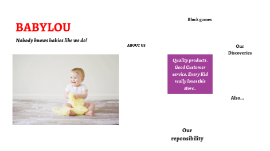
Transcript: Nobody knows babies like we do! Quality products . Good Customer service. Every Kid really loves this store.. BABYLOU ABOUT US About Us BabyLou was established in 2004. It has been more than a decade since we started, where we have ensured to take care of every need and want of every child and infant under one roof, true to the caption “NO BODY KNOWS BABIES LIKE WE DO”. Our benchmark is to provide 100% customer service and satisfaction and continue to deliver the same with a wide range of toys, garments and Baby Products. Play and Create We Are Best 01 02 03 Block games Building Blocks help Kids to use their brain. PLAY TO LEARN in Crusing Adventures Our Discoveries Enjoy a sunny vacation aboard a luxury yacht with the LEGO® Creator 3in1 31083 Cruising Adventures set. This ship has all the comforts you need, including a well-equipped cabin and a toilet. Sail away to a sunny bay and take the cool water scooter to the beach. Build a sandcastle, enjoy a picnic, go surfing or check out the cute sea creatures before you head back to the yacht for a spot of fishing. Escape into the mountains Disney Little Princes in Also available for your Babies..... Also... Out of The World… Our reponsibility BABYLOU…. Our Responsibility All children have the right to fun, creative and engaging play experiences. Play is essential because when children play, they learn. As a provider of play experiences, we must ensure that our behaviour and actions are responsible towards all children and towards our stakeholders, society and the environment. We are committed to continue earning the trust our stakeholders place in us, and we are always inspired by children to be the best we can be. Innovate for children We aim to inspire children through our unique playful learning experiences and to play an active role in making a global difference on product safety while being dedicated promoters of responsibility towards children.

Now you can make any subject more engaging and memorable