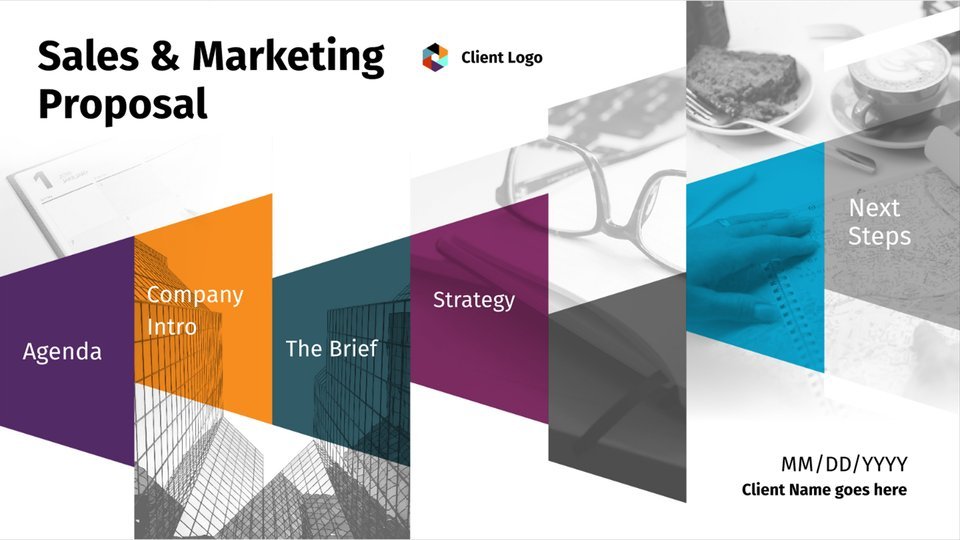
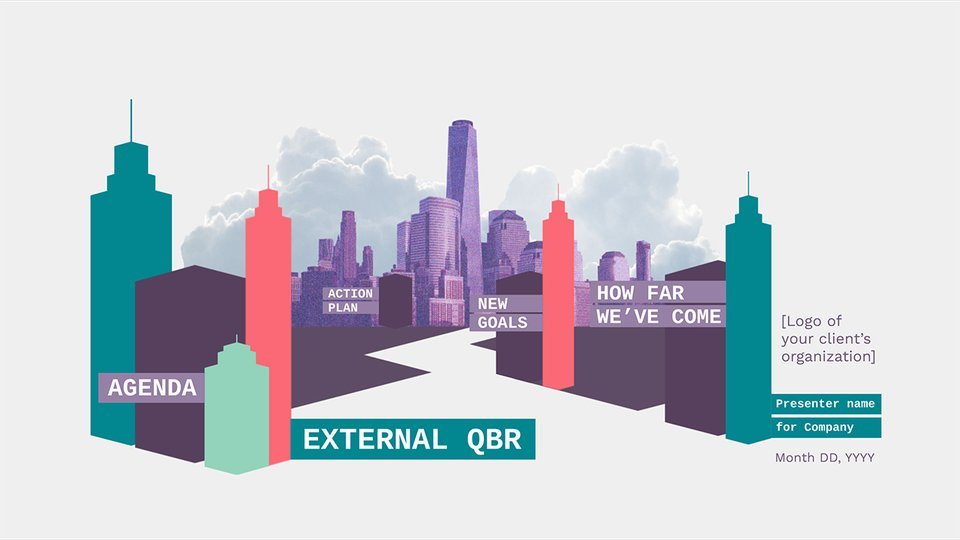
You're about to create your best presentation ever

Mexico Powerpoint Presentation Template

Create your presentation by reusing a template from our community or transition your PowerPoint deck into a visually compelling Prezi presentation.

Medical PowerPoint Template

Transcript: Medical PowerPoint Template Design Elements Color Schemes for Medical Presentations Font Selection for Readability Color schemes significantly affect audience understanding and retention. In medical presentations, using blue and green hues promotes calmness and trust, while contrasting colors can highlight key information and enhance visibility. Choosing the right font is crucial for comprehension. Sans-serif fonts like Arial or Helvetica are recommended as they are easier to read on screens. Always ensure that text is large enough to be legible from a distance. Incorporating Graphics and Images Layout and Structure Incorporating relevant graphics can enhance understanding and retention of complex ideas. Use high-quality images, charts, or diagrams that directly relate to the content to support the narrative without overcrowding the slide. A well-structured layout guides the audience’s eye and improves information flow. Utilize a grid system to maintain alignment and consistency, making sure to reserve space for visual elements. Balance text with images to avoid clutter. A Blank Canvas for Your Data Presentation Tips Best Practices for Delivery Content Organization in Medical Presentations Engaging Your Audience Practicing your presentation can lead to smoother delivery and reduced anxiety. Utilize appropriate body language, voice modulation, and eye contact to foster a connection with the audience, making your message more impactful. Audience engagement is critical for effective communication. Techniques include asking rhetorical questions, using relatable examples, and incorporating multimedia elements to maintain interest and encourage participation. Title Slides and Headings Introduction to Medical Presentations Title slides set the stage for your presentation and should include the topic, your name, and the date. Headings throughout the presentation guide the audience through the narrative and facilitate smooth transitions between topics, ensuring clarity and focus on key messages. Bullet Points vs. Paragraphs Handling Questions and Feedback Bullet points provide concise and digestible pieces of information, making it easier for the audience to follow along. In contrast, paragraphs may be necessary for complex concepts but should be used sparingly to maintain attention and avoid overwhelming the viewer. Practicing and Timing Your Presentation Using Tables and Charts Tables and charts effectively present quantitative data, making complex information more approachable. They facilitate quick understanding of trends and relationships within data, enhancing the audience’s ability to interpret clinical findings or statistical results. Rehearse your presentation multiple times to refine your delivery and timing. Understanding how long each section takes helps ensure that you cover all material without rushing or exceeding your allotted time. Encourage questions to create a dialogue with your audience. Responding thoughtfully to feedback shows respect for their input and enhances clarity for everyone involved, improving overall comprehension. Citing Sources and References Importance of Visual Aids Citing sources is crucial in maintaining credibility and allowing the audience to explore further. Proper referencing not only attributes the original work but also strengthens arguments presented in the medical content, supporting evidence-based practice. Visual aids play a crucial role in medical presentations by simplifying complex information. They help audiences grasp essential concepts quickly, improving retention and engagement through the use of charts, images, and videos. Overview of PowerPoint Features PowerPoint offers various features to enhance medical presentations, including templates specifically designed for medical content, the ability to incorporate multimedia, and options for animations that can illustrate processes or changes over time. Objectives of the Medical Template The medical PowerPoint template serves to streamline the creation of presentations by providing a standardized format. This ensures consistency in design and aids users in organizing their data effectively for clarity and impact.

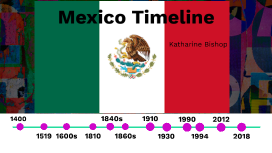
Mexico Template

Transcript: Mexico Timeline Katharine Bishop 1840s 1910 1400 2012 1990 2018 1930 1994 1400s Native Groups The Aztecs dominated over northern Mexico who dominated during the Spanish conquest. The Olmecs were Mexico's first known native group. Native groups are important to history (in this case Mexican history) because they hold a unique language, knowledge systems, and beliefs. The Mayans are another native group that have been believed to have been around for more than 7,000 years. 1519 1518 Spanish Conquest of the Aztec Empire Through two years, Hernan Cortes, the leader of the group and a small group of men brought down the Aztec empire in Mexico. This conquest laid the foundation for colonial regiments that would eventually transform the Americas. The Americas were also a part of this in that they were conquered by the spanish empire. 1600s Spain conquers the rest of Mexico and Spanish settlers arrive Cortés destroyed Tenochtitlan, building his own capital over its ruins, and proclaimed the Aztec Empire to be New Spain. This is important to Mexican history because Mexico got more land and it opened up trade and got profits from it. 1810 Mexican War of Independance In the early 19th century, Napoleon's occupation of Spain led to the outbreak of revolts all across Spanish America. Miguel Hidalgo y Costilla launched the Mexican rebellion with his “Cry of Dolores,” and his populist army came close to capturing the Mexican capital. This is significant to Mexican history because Mexico conceived a unique identity during this war. 1846 Mexican American War The effect this war had on Mexico and its history is that Mexico accepted the Rio Grande as its boundary. The treaty that was signed also gave the United States Mexico's northern provinces of California and New Mexico. The Mexican-American War was a conflict between the United States and Mexico, fought from April 1846 to February 1848. It started from the annexation of the Republic of Texas by the U.S. 1860s The Second French Intervention This event impacted Mexican history by allowing active political reaction against the liberal policies of social and socio-economic reform by the president. The Second French Intervention in Mexico, also known as the Second Franco-Mexican War, was an invasion of Mexico by the Second French Empire, which lasted from 1862-1867. They aimed to establish a regime in Mexico favorable to French interests. 1910-1920 Mexican Revolution The Mexican Revolution, which began in 1910, ended dictatorship in Mexico and established a constitutional republic. The Mexican Revolution is called "the defining event of modern Mexican history." The Mexican Economic Miricale In the long run, this mircale didn't create a strong foundation for Mexico throughout the years due to many Mexicans not being able to afford the sophisticated products the country would need to manufacture in order to keep growing under the ISI model. This was a great increase of their GDP in the government. The miracle was that when everyone was poor the stocks and everything went up that's why it is called the economic miracle. War Against Drugs Mexico is being effected by this because the cartels and the drug trade fuel rampant violence in Mexico, contributing to the country’s tens of thousands of homicides every year. The Mexican drug war, starting in 2006, is the Mexican theater of the global war on drugs, as led by the U.S. federal government, that has resulted in an ongoing asymmetric low-intensity conflict between the Mexican government and various drug trafficking syndicates. North American Free Trade Agreement This boosted Mexican farm exports to the United States, which have tripled since the pact's implementation. Hundreds of thousands of auto manufacturing jobs have also been created in the country, and most studies have found that the agreement increased productivity and lowered consumer prices in Mexico. An agreement signed by the governments of Canada, Mexico, and the United States, creating a trade block in North America. The agreement came into force on January 1, 1994. Economic Collapse and Rise of External Debt In 2022, the economy should grow 3.3%. Last year it grew 5.9%. The economy is growing. In 2012, the economy crashed and everyone, even the wealthy, lost their money. Mexico Elections The lastest presidential election was in 2018 and was won by Andrés Manuel López Obrador. Presidents get elected to Mexico every 6 years, while legislatures get elected every 3 years. Current legislatures: Yvette Herrell, Teresa Leger Fernandez, Melanie Stansbury

PowerPoint Presentation Template

Transcript: Introduction to PowerPoint Designing Effective Slides Importance of Visuals Visuals play a crucial role in retaining information, with studies showing that people remember 80% of what they see compared to just 20% of what they read. Incorporating images, graphs, and diagrams can clarify complex concepts, making them easier to understand and recall. Benefits in Education PowerPoint presentations promote active learning by encouraging interaction and participation. They provide a structured format that helps educators convey information efficiently, making lessons more engaging and memorable for students. Overview of Template Features Choosing the Right Colors Modern PowerPoint templates include various features such as built-in design ideas, customizable layouts, and multimedia integration. These features can streamline the creation process, allowing educators to focus on content delivery rather than design. Typography Best Practices Color choice significantly impacts audience perception and emotional response. Utilize complementary colors for contrast and legibility, ensuring text is easy to read against backgrounds. Consider color psychology while selecting palettes to evoke desired feelings related to your content. User-Friendly Design Elements Effective typography enhances readability and accentuates crucial information. Use no more than two font families, maintain adequate contrast between text and background, and keep font sizes consistent—generally, 24pt for headings and 18pt for body text work best. Animations and Transitions Incorporating Graphics and Images Animations should be used sparingly to avoid distracting the audience. Subtle transitions can guide attention and maintain flow, while key points may be animated for emphasis, helping to engage viewers without overwhelming them. Visuals can reinforce messages and make slides more engaging. Limit image use to enhance rather than clutter, selecting high-quality graphics that support the content and ensure they're relevant to the key points being communicated. Enhancing Audience Engagement Content Structuring Techniques An Educational Resource for Engaging Learning Incorporating Data and Charts Outlining Key Points Q&A Sessions Interactive Elements Incorporating interactive elements like polls, quizzes, and live demonstrations enhances engagement. Research indicates that interactive presentations can increase retention by 50%, making the learning experience more dynamic and memorable. Visual data representation through charts can highlight trends and insights effectively, aiding understanding. Graphs and infographics can convey complex information quickly, making them essential tools for impactful presentations. Clear outlines serve as roadmaps, guiding both presenter and audience through the content. By identifying primary topics and subtopics, speakers can enhance focus and ensure comprehensive coverage of essential material in educational presentations. Q&A sessions facilitate real-time interaction, allowing audience members to address their specific inquiries. This not only clarifies doubts but also fosters a sense of community and open dialogue, increasing audience investment in the material. Feedback Mechanisms Best Practices for Delivery Engaging Storytelling Methods Using Bullet Points vs. Text Implement feedback mechanisms such as surveys or feedback forms post-presentation. This provides valuable insights for improvement and shows the audience their opinions are valued, further enhancing engagement. Effective delivery can significantly boost audience engagement. Key practices include maintaining eye contact, using varied vocal tones, and practicing clear body language to foster a more engaging atmosphere throughout the presentation. Bullet points simplify information, allowing key ideas to stand out without overwhelming the audience. They enhance retention by categorizing concepts, while full text blocks can dilute focus and engagement in presentations. Storytelling captivates audiences, allowing them to relate to the material personally. Incorporating storytelling techniques can enhance emotional connection, making the content more relatable and memorable for learners.

PowerPoint Template Design

Transcript: Conclusion and Next Steps Summarizing the presentation and outlining future actions for effective PowerPoint utilization. PowerPoint Template Design Key Points Summary Summarize the essential elements discussed in the presentation, emphasizing the importance of the selected template and animations. Utilizing the PowerPoint Outline clear next steps for the audience to implement the PowerPoint effectively in their context. Creating Engaging Presentations with Dynamic Animations Animated Slides Static Slides Animated slides introduce movement and transitions, capturing audience attention and enhancing engagement. They can highlight key points effectively but may also risk overwhelming viewers if not used judiciously. Static slides provide a straightforward presentation of information, allowing for easy comprehension without distractions. They are ideal for simple data, ensuring that the audience can focus entirely on the message being conveyed. Template Requirements Cohesive Look Brand Alignment Audience Engagement Templates provide a cohesive look, making it easier for the audience to follow the content and key messages. A well-designed template aligns with the branding and theme of the presentation, ensuring consistency throughout. Utilizing a specific template helps to facilitate audience engagement by providing a visually appealing structure. Clearly Defined Key Elements Incorporation of Visual Aids Well-Organized Structure Key elements such as objectives, main topics, and conclusions are clearly outlined, providing a roadmap for the audience. The PowerPoint is meticulously organized to ensure a coherent flow of information, making it easy for the audience to follow along. Visual aids and animations will be incorporated to enhance engagement and understanding, making the presentation more dynamic. Overview of the PowerPoint Setting the Stage for Our Discussion This presentation outlines key aspects of the upcoming content, providing a framework for understanding the topic and its relevance.

Medical PowerPoint Template

Transcript: Medical PowerPoint Template Design Principles Color Schemes and Branding Visual Hierarchy Visual hierarchy is crucial in guiding the audience's attention through a presentation. Utilize size, color, and placement to prioritize content, ensuring key messages are easily identifiable and understood. Consistent color schemes reinforce branding and improve audience recall. Use colors that align with medical themes—calm blues and greens can evoke trust and professionalism, while contrasting colors can highlight crucial information. Use of Images and Graphics Text Layout and Readability High-quality images and graphics enhance engagement and understanding. Infographics can simplify complex data, while images of medical procedures or devices add relevance and clarity, strengthening the narrative. Effective text layout involves concise wording and appropriate font sizes to ensure legibility. Aim for a balance between text quantity and whitespace, facilitating easier reading and comprehension for the audience. Mastering Presentation Delivery A Comprehensive Guide for Healthcare Presentations Engaging Your Audience Content Development in Medical Presentations Public Speaking Tips Engagement can be achieved through interactive elements like polls or questions. Personal anecdotes related to medical scenarios can make the presentation more relatable and memorable. To improve public speaking skills, practice regularly and seek constructive feedback. Familiarity with material and the use of visual aids can significantly bolster confidence and audience engagement. Structuring Your Presentation Introduction to Medical Presentations A well-structured presentation follows a clear path to facilitate understanding. Start with an introduction, followed by the main content organized into sections, leading to a strong conclusion that summarizes key points. Integrating Data and Statistics Feedback and Improvement Techniques Incorporate relevant data and statistics to support your claims and enhance credibility. Use visuals like charts and graphs to illustrate key points, making complex information more digestible. Handling Technical Issues Storytelling in Medicine Utilizing storytelling can make medical presentations more relatable and memorable. Share real-life patient stories to humanize statistics and engage your audience emotionally. Soliciting audience feedback post-presentation aids in identifying areas for improvement. Regularly reviewing recordings of your presentations can help refine delivery style and content structure. Technical difficulties can arise unexpectedly; always have a backup plan, such as printed slides or alternative equipment. Familiarize yourself with the technology in advance to minimize disruptions. Preparing for Q&A Sessions Anticipating questions and preparing succinct answers is essential for a successful Q&A session. Familiarize yourself with potential inquiries and be ready to provide clarifications and additional insights as needed. Importance of Effective Communication Effective communication in medical presentations ensures that crucial information is conveyed accurately. This reduces misunderstandings and promotes better patient care, educational outcomes, and collaboration among healthcare professionals. Key Elements of Medical Presentations Understanding the Audience Key elements include a well-structured format, clear visuals, and concise language. Presentations should aim for a logical flow while emphasizing important data to facilitate understanding and retention. Recognizing the audience's background and knowledge level is vital for tailoring the presentation. Adjusting content complexity and focusing on relevant topics can lead to more effective engagement and learning. Common Presentation Platforms Common platforms for medical presentations include PowerPoint, Google Slides, and Prezi. These tools offer features for animation, data visualization, and collaboration, enhancing the overall effectiveness of presentations.

PowerPoint Presentation Template Guide

Transcript: Creating a Custom Template A strategic approach to designing a personalized PowerPoint template that reflects your brand. Template Saving and Sharing How to Choose the Right Template Brand Definition Slide Layout Customization Save and share your completed template for future use and collaboration. Master Slide Development Define your brand colors and fonts to ensure alignment with your visual identity. Design unique slide layouts for different content types to enhance presentation flow. Best Practices for Template Design Key Considerations Create a master slide layout that serves as the foundation for all slides. Implementing these strategies will elevate the effectiveness of your presentations. Selecting the appropriate template for your presentation is essential for effectively communicating your message. Consider factors such as the audience's preferences, the purpose of your presentation, the type of content you'll be presenting, and how visuals will be incorporated into your slides. Simple designs reduce cognitive load, allowing the audience to focus on key messages without distractions. Readable text ensures that the audience can easily grasp the information presented, leading to more effective communication. Consistency in fonts and colors fosters a cohesive look, reinforcing brand identity and improving audience retention. High-quality images enhance visual engagement, making presentations more appealing and professional. Simplicity in Design Readability Design Consistency Blank Templates: Start fresh. Practical Tips Image Quality Pre-designed Templates: Instant design. To enhance the quality of your presentation, utilize specific tips: understand what your audience expects in terms of style and content, ensure that the template aligns with the objectives of your presentation, choose layouts that are suited to the specific types of content you will present, and select templates that enhance rather than detract from your visual elements. Types of PowerPoint Templates Custom Templates: Unique identity. Thematic Templates: Topic-focused. Tips for Effective Presentations Strategies to enhance audience engagement and communication effectiveness during presentations. Introduction to PowerPoint Templates PowerPoint templates are essential tools for streamlining the presentation creation process. They not only enhance visual consistency but also enable users to focus on the content rather than the design. Initial Stage Engagement Phase Visual Support Rehearsal Incorporate interactive elements, such as questions, polls, or discussions, to maintain audience interest and involvement. Utilize high-quality visuals, such as images, charts, and videos, to reinforce key points and enhance understanding. Kick off the presentation with a compelling opening statement or story to capture attention immediately. Practice the delivery multiple times to build confidence and ensure smooth flow of content during the actual presentation. Saves Time in Design and Formatting Ensures Consistency Across Slides Enhances Professionalism and Visual Appeal Facilitates Collaboration Among Team Members Using templates significantly reduces the time spent on designing and formatting presentations, allowing users to focus on content creation instead. Templates ensure that all slides in a presentation have a uniform look, which helps in maintaining a professional and cohesive appearance throughout. A well-designed template enhances the visual appeal of presentations, making them more engaging and easier for the audience to follow. Templates allow team members to collaborate more effectively by providing a shared framework, ensuring everyone is on the same page during the presentation creation process. Importance of Using Templates Good design is good business. Design Philosophy PowerPoint Presentation Template Guide A comprehensive guide to creating effective PowerPoint presentation templates.

Now you can make any subject more engaging and memorable